
MLOps in regulated industries: the discipline gap in enterprise AI delivery
December 4, 20257 min readBy Techbanq Platform Engineering

The standard MLOps description is a pipeline: data ingestion, feature store, training, evaluation, registry, deployment, monitoring, retraining. The pipeline is correct as far as it goes. In a regulated industry, it describes roughly a third of the engineering problem — and not the third that causes the most difficulty.
Every transition between pipeline stages becomes a control point with an audit requirement. Training runs on data that needs lineage traceable to source. Models in the registry need risk classification and approver sign-off before they can be promoted to production. Production decisions need to be reproducible months later from inputs that may no longer be live in the system. None of these are extensions of the textbook pipeline — they are first-class concerns that must be designed in from the start, not retrofitted after the first supervisory review.
Regulated MLOps does not have to be slow if the controls are designed in from the architecture stage. It becomes significantly slower when they arrive as a retrofit at the point the first model goes to second-line review. The platforms that scale well in financial services, healthcare, and energy are the ones that treated the regulatory environment as a design constraint from day one.

Most enterprise AI programmes fail not because of the technology but because of how organisations approach them. The firms capturing lasting value share three disciplines that have nothing to do with model performance.

Telecom operators have invested heavily in network infrastructure. The returns on that investment are increasingly determined not by the infrastructure itself but by the intelligence layer running on top of it.

Governments and enterprises across the Gulf are committing significant capital to AI transformation. The organisations seeing results are those that treated AI as a strategic management question before treating it as a technology question.

The enterprise security function is evolving from a compliance obligation into a source of operational intelligence. The transition requires more than new technology — it requires a different conception of what security is for.

Most organisations approach data architecture as an IT infrastructure question. The firms that extract the most business value from their data treat it as a strategic design question — one that belongs in the boardroom, not just the server room.
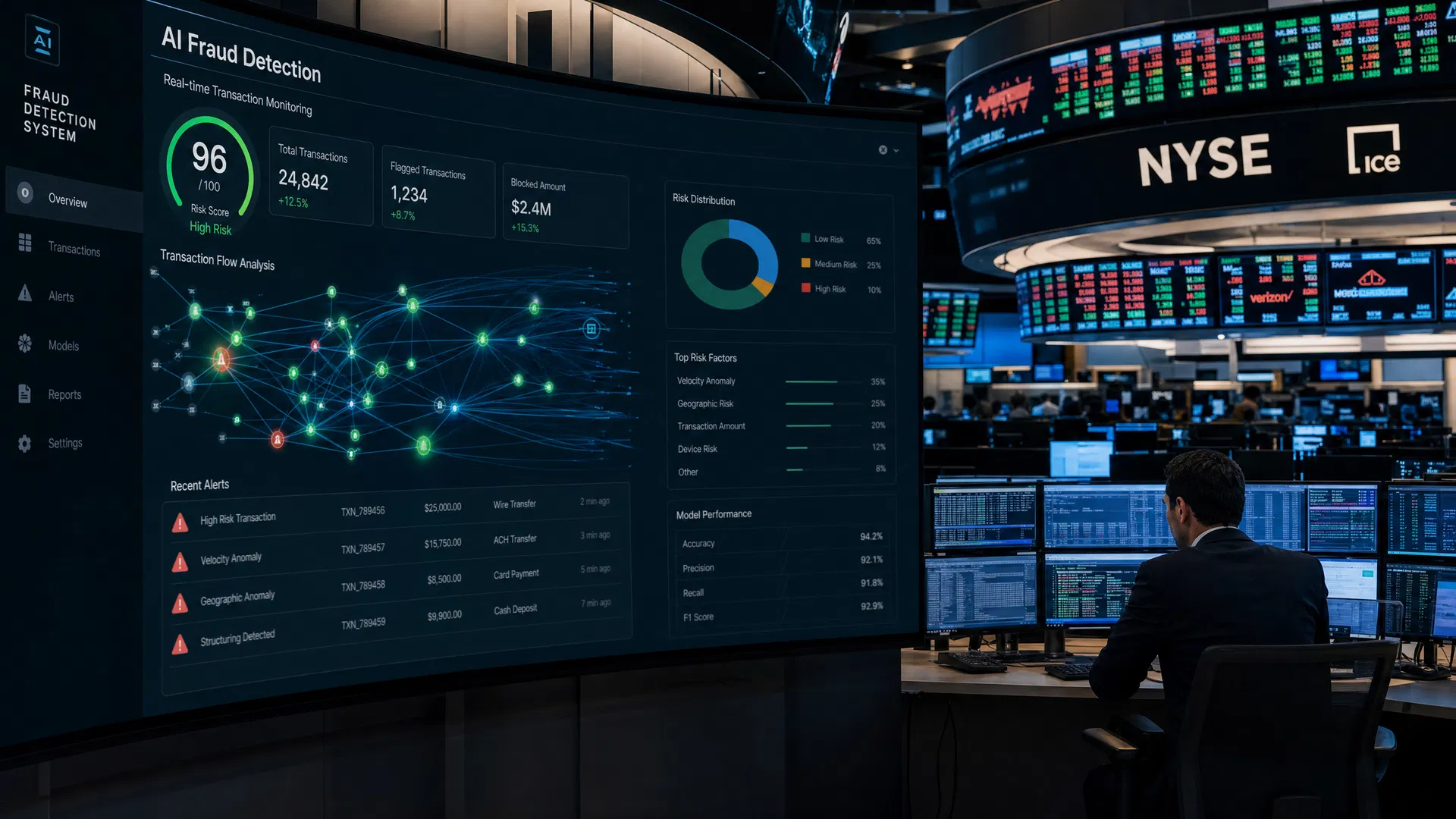
Financial institutions have been among the earliest and most enthusiastic adopters of AI. They have also produced some of the clearest illustrations of where AI programmes go wrong and what it takes to make them last.
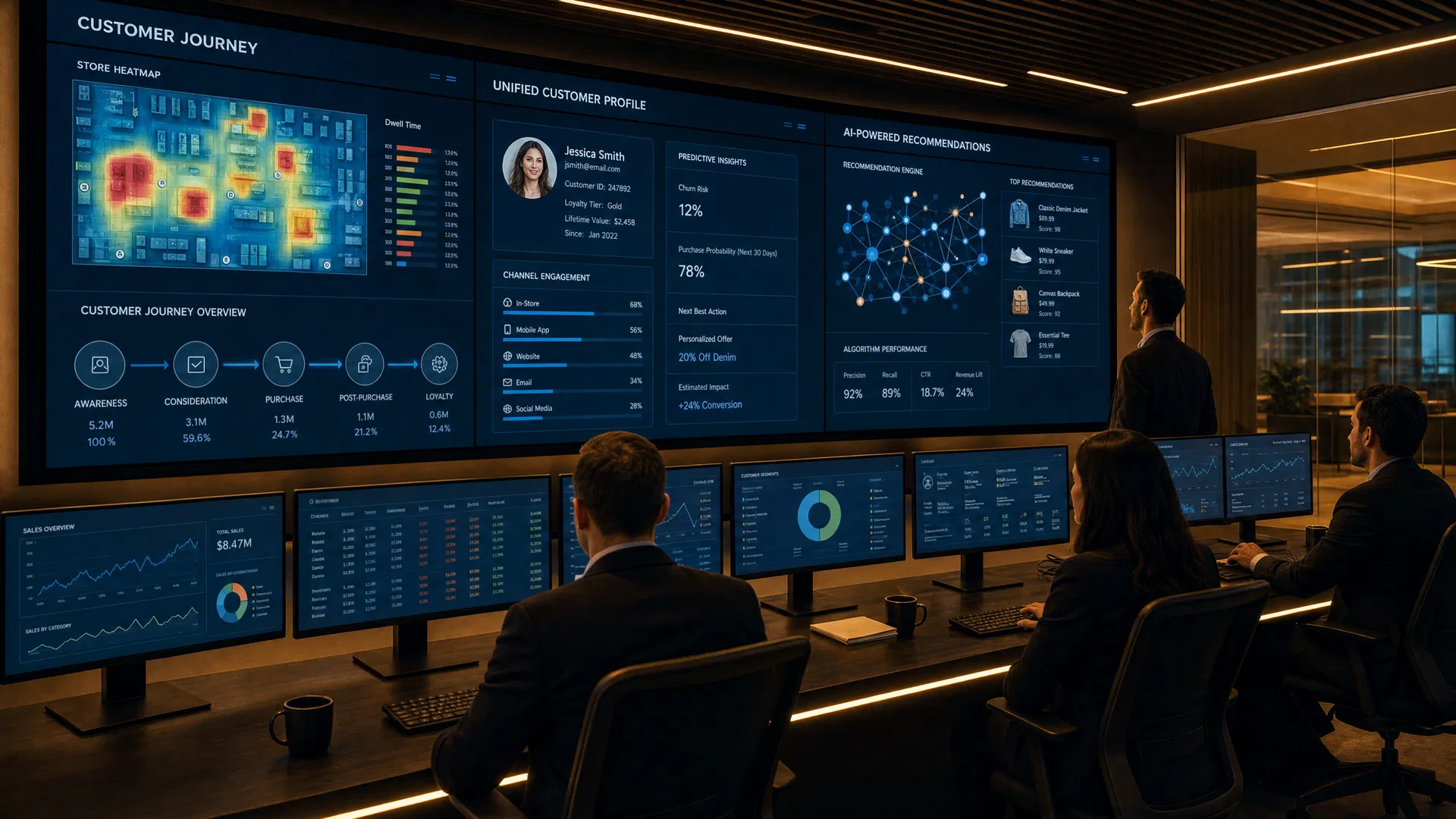
Retailers collect more customer data than ever. Most of it sits in systems that don't talk to each other, analysed by teams that don't talk to merchants. The result is insight that arrives too late to matter.

AI readiness is not a technology question. It is a diagnostic across strategy, data, governance, talent, and operating model. Most organisations that think they are ready are not — and the signals are detectable before any money is spent.

Healthcare AI projects fail at a rate that should give every executive pause. The failure mode is rarely the algorithm — it is the operating environment the algorithm is dropped into without adequate preparation.

Route optimisation is frequently the first AI application logistics companies pursue. It is also the one most likely to deliver disappointing results — not because the technology doesn't work, but because the problem definition was wrong from the start.

The energy transition story is usually told as a generation story. The harder problem — and the one operators are investing the most in — is grid flexibility: matching variable supply and variable demand in real time across infrastructure built for neither.

Smart city pilot projects are familiar. Smart city permanent operating capabilities are considerably rarer. The difference between cities that make the transition and those that do not comes down to a small number of decisions made at the start.

Government digital programmes report high levels of service digitisation. The metric that matters — end-to-end completion rate — tells a different story. Most programmes have not yet made the measurement straightforward enough to be honest about it.

Real-time quality inspection technology has matured. The constraint on returns is no longer the model — it is the operating environment, the taxonomy, and the discipline to keep the system trustworthy through normal manufacturing variation.

Claims automation has a sound business case. It also has a set of trade-offs that are routinely underweighted in the evaluation process. A candid note for insurance executives assessing the move.
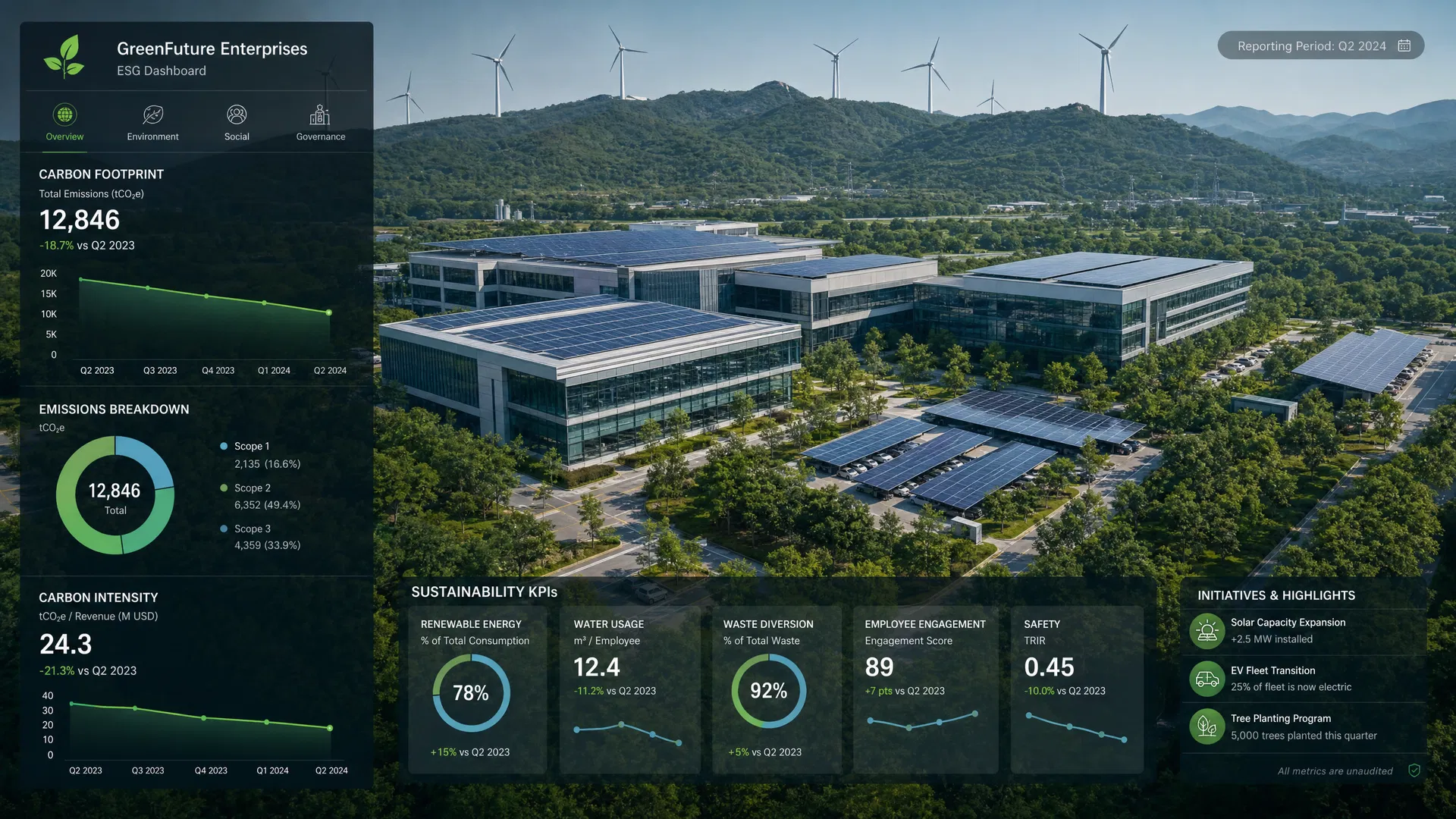
ESG reporting is moving from voluntary disclosure to assurance-grade obligation. Most enterprises are not ready, and the reason is rarely policy — it is the data layer underneath the report.
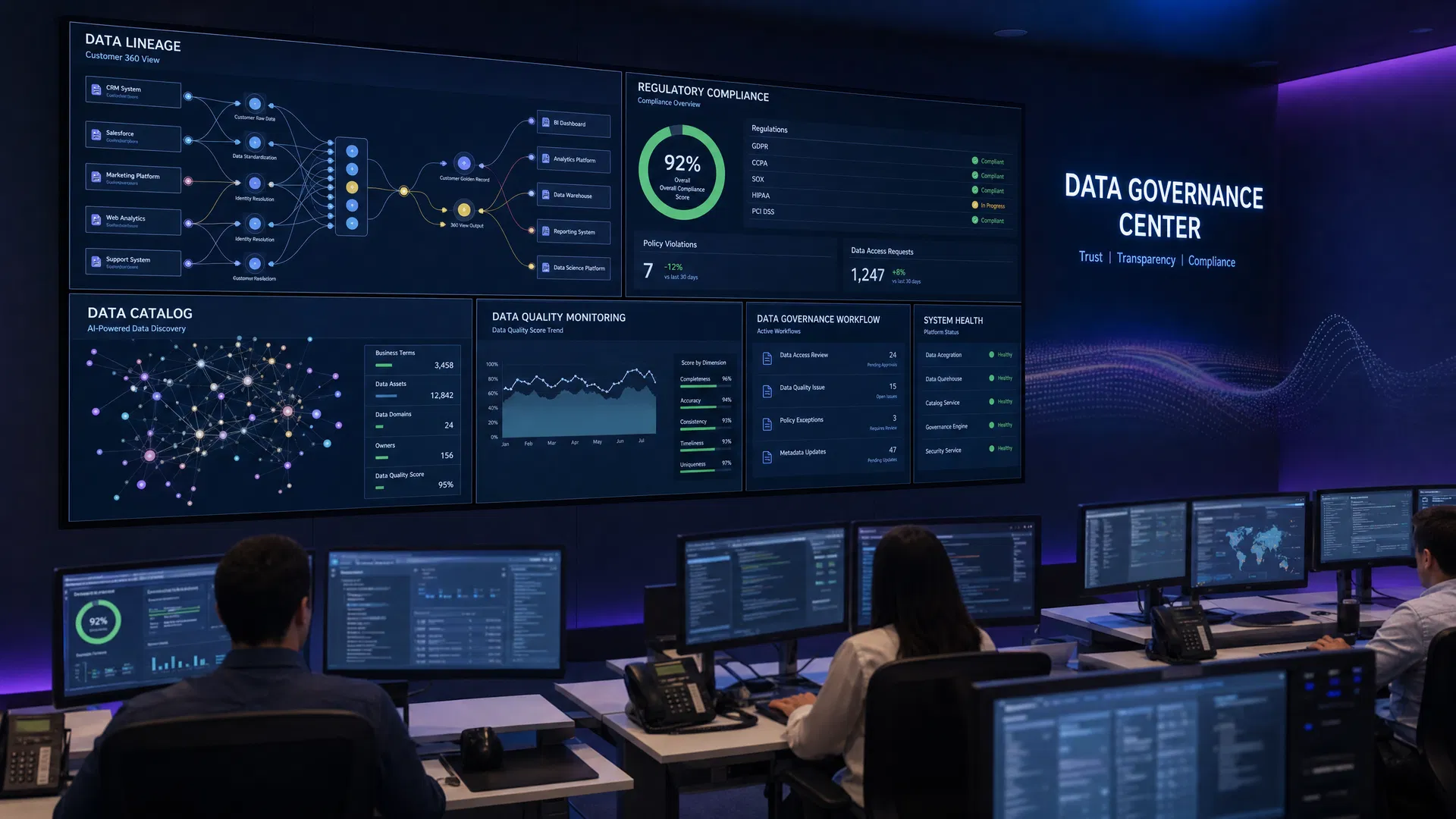
Data governance was a back-office concern until AI made every production model a regulated artefact. The four decisions that determine whether an enterprise's governance approach holds up under supervisory scrutiny.

Boards have moved past asking whether the enterprise should use AI. The question is now what the enterprise is exposed to by using it, and whether management can demonstrate the answer is known and managed.

AI in the security operations centre tends to fall into one of two patterns: the kind that converts existing alert noise into actionable signal, and the kind that adds more noise. The distinction is detectable before you sign the contract.