

Workflow Automation
ServiceNow, Pega, Camunda, and Microsoft Power Automate workflows that move case, approval, and exception work between the enterprise systems without spreadsheets in between.
01 / 06Why this practice exists
The operating company that runs on email, spreadsheets, and the institutional memory of three senior people is not the operating company the board signed up for. Our enterprise operations practice instruments the work — process mining, workflow automation, and the hybrid workforce model on top — so the operating company runs from one set of governed processes that the auditor can trace and the workforce can scale.
The starting point
The numbers that shape this practice. Market figures come from published research; delivery figures come from Techbanq engagements.
of operating cost sits in manual, repeatable work
coverage our managed operations teams run
Sev-1 response with a named on-call engineer
How it shows up day to day
The process map signed by the operations director and the process the work actually follows are not the same document. Process mining surfaces the gap, and the variance is where the cost-to-serve hides.
RPA bots remove a click and leave the decision in place. Six months in, the case-handling team is the same size and the queue length has not moved.
Hybrid, contract, and outsourced workforce sit in different systems with different cadences. The operations leader cannot see capacity against the operating plan, and the rota is set against last quarter.
The same control gaps — missing approvals, SoD conflicts, untracked exceptions — appear in the audit report every year. The remediation programme has been deferred because the workflow platform that would fix them is not yet there.
Why now
Process mining has crossed the maturity threshold. Celonis, UiPath, and Microsoft Process Mining now surface the operating reality of a large enterprise within weeks — and the gap between the policy document and the actual workflow is now measurable, not anecdotal. The operations leader who sees that gap for the first time rarely accepts the previous operating model again.
At the same time, the first generation of agentic workflow automation is reshaping the cost-to-serve. ServiceNow, Pega, and Camunda are embedding agentic capability inside the workflow platform; the hybrid and contract workforce is being scheduled against demand signals rather than rotas; and the operating company that does not instrument the work is now the outlier on the executive review.
Process and task mining now run continuously across the enterprise systems. The gap between the policy document and the operating reality is measurable in weeks, not anecdotal.
ServiceNow, Pega, and Camunda are embedding agentic capability inside the workflow platform. Automation is moving from removing the click to removing the decision.
In-office, remote, contract, and outsourced populations now coexist in every large operating company. Workforce planning has to be unified across them or the operating plan does not hold.
The operations leadership is now expected to see capacity, demand, and cycle time daily, not monthly. Batch-overnight operating dashboards are no longer competitive.
How we help
Each card below is a piece of work with an owner, a delivery team, and outputs the sponsor can see. If one of them is what you need right now, the rest can wait.
How we work
Every phase has a named owner, named deliverables, an estimated timeline, and a decision at the end.
We instrument the work — process mining across the systems the operating company actually runs on — to expose where it depends on email, spreadsheets, and the memory of a few senior people. The output is the real process, not the documented one.
What you get
A single set of governed processes the operating company actually runs from
Process intelligence that surfaces the cost-to-serve and cycle-time drivers
Workforce capacity aligned to the operating plan, not to the headcount budget
ITGC, SoD, and audit-trail evidence generated by the workflow platform
Find out how quickly these outcomes can land in your operation.
Schedule a consultationSector fit
Every sector has its own pressure points. Pick yours to see the complexity we work inside and the use case we deploy.
Operational complexity
Account-opening, lending, and claims journeys across core banking and adjacent systems with SAMA conduct expectations on every step.
What we deploy
Workflow automation and process intelligence across onboarding, underwriting, and claims — with the audit trail and SoD controls the SAMA review will read.
Sector · Banking and financial services
Inside this practice
Four deep dives inside this practice. Some clients start with just one; each has its own page, its own approach, and named deliverables.
White paper
31% reduction in average container dwell time at AI-coordinated terminals vs. baseline
22% improvement in berth utilisation through predictive arrival-based scheduling
14hrs mean ETA accuracy improvement on regional sea-leg routes
38 pages · 20 min read
Read the report31%
reduction in average container dwell time at AI-coordinated terminals vs. baseline
Techbanq Research
Not marketing promises. These numbers have repeated across the engagements we have delivered on this practice.
Reduction in case cycle time on the priority processes within twelve months of the workflow platform going live.
Lower cost-to-serve on the operations the process intelligence and automation programme has touched.
Audit-trail and SoD controls cleared at the next ITGC review, with the evidence generated by the workflow platform.
One operating view of workforce capacity against the operating plan, replacing the rota set against last quarter.
Governance & assurance
Every workflow, control, and operating rhythm is engineered so the audit, the regulator, and the operations leader read from the same evidence set — continuously, not at audit time.
Process design, document control, and continuous-improvement evidence aligned to ISO 9001 so the operating company is auditable to the quality-management standard the customers expect.
Access, change, and operations controls across the workflow and case-management platforms aligned to ISO 27001 Annex A — the evidence is generated by the workflow, not assembled in a spreadsheet.
SoD design engineered into the workflow approval paths, with conflict scanning and periodic recertification — the SoD report is a clean dashboard the audit committee reads, not a remediation backlog.
Every approval, exception, and override logged with the user, the time, and the evidence — the audit trail is reconstructable in minutes, not days.
Customer, employee, and case data flows engineered to Saudi PDPL data-handling rules, with retention, consent, and access controls applied to the workflow, not bolted on after.
Technology ecosystem
We deliver on the platforms that actually run the enterprise, not a stack locked to one vendor. Selection follows your operating environment, not a reseller agreement.
21 tools across 4 categories
Workflow and case management
Process and task intelligence
Workforce and operational excellence
Standards we build to
Frequently asked questions
Detailed answers on how this practice works in a GCC enterprise environment.
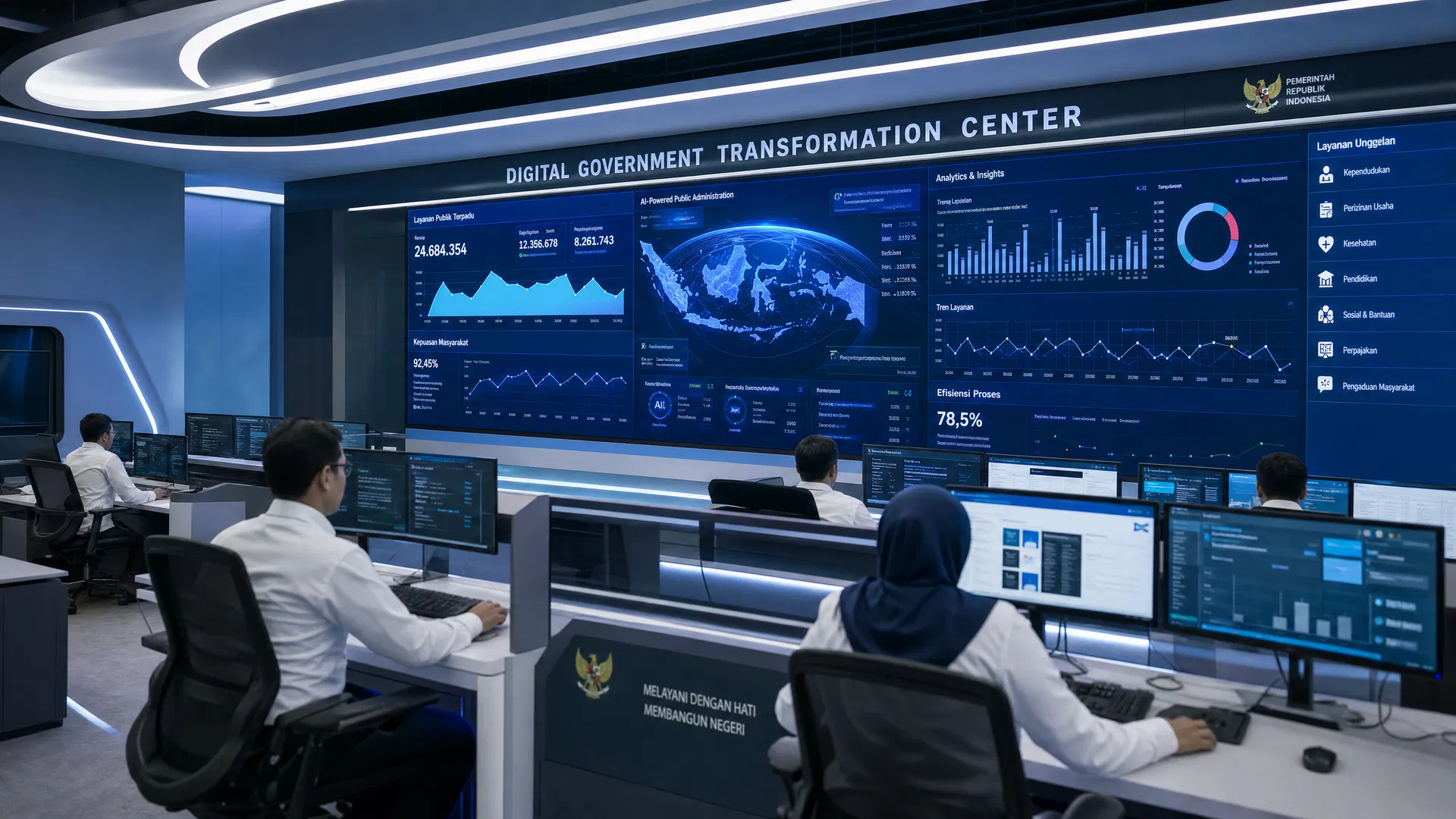
Government & public sector
Government digital programmes report high levels of service digitisation. The metric that matters — end-to-end completion rate — tells a different story. Most programmes have not yet made the measurement straightforward enough to be honest about it.
6 min readManufacturing
Real-time quality inspection technology has matured. The constraint on returns is no longer the model — it is the operating environment, the taxonomy, and the discipline to keep the system trustworthy through normal manufacturing variation.
Financial services
Claims automation has a sound business case. It also has a set of trade-offs that are routinely underweighted in the evaluation process. A candid note for insurance executives assessing the move.
Where this connects
A practice rarely comes alone. Each one below is where clients usually end up after this one, or where they start before getting to it.
Industries served
A short conversation about your environment and the enterprise operations decision you want to improve. One hour, no cost, no commitment.
What happens next
Or reach us directly

 Camunda
 Microsoft Power Automate
 Appian
 Salesforce Flow
 UiPath Process Mining
 Microsoft Process Mining
 SAP SuccessFactors