
Saudi Arabia
Jeddah
The Kingdom's commercial port city and the gateway for pilgrimage, hospitality and consumer trade.
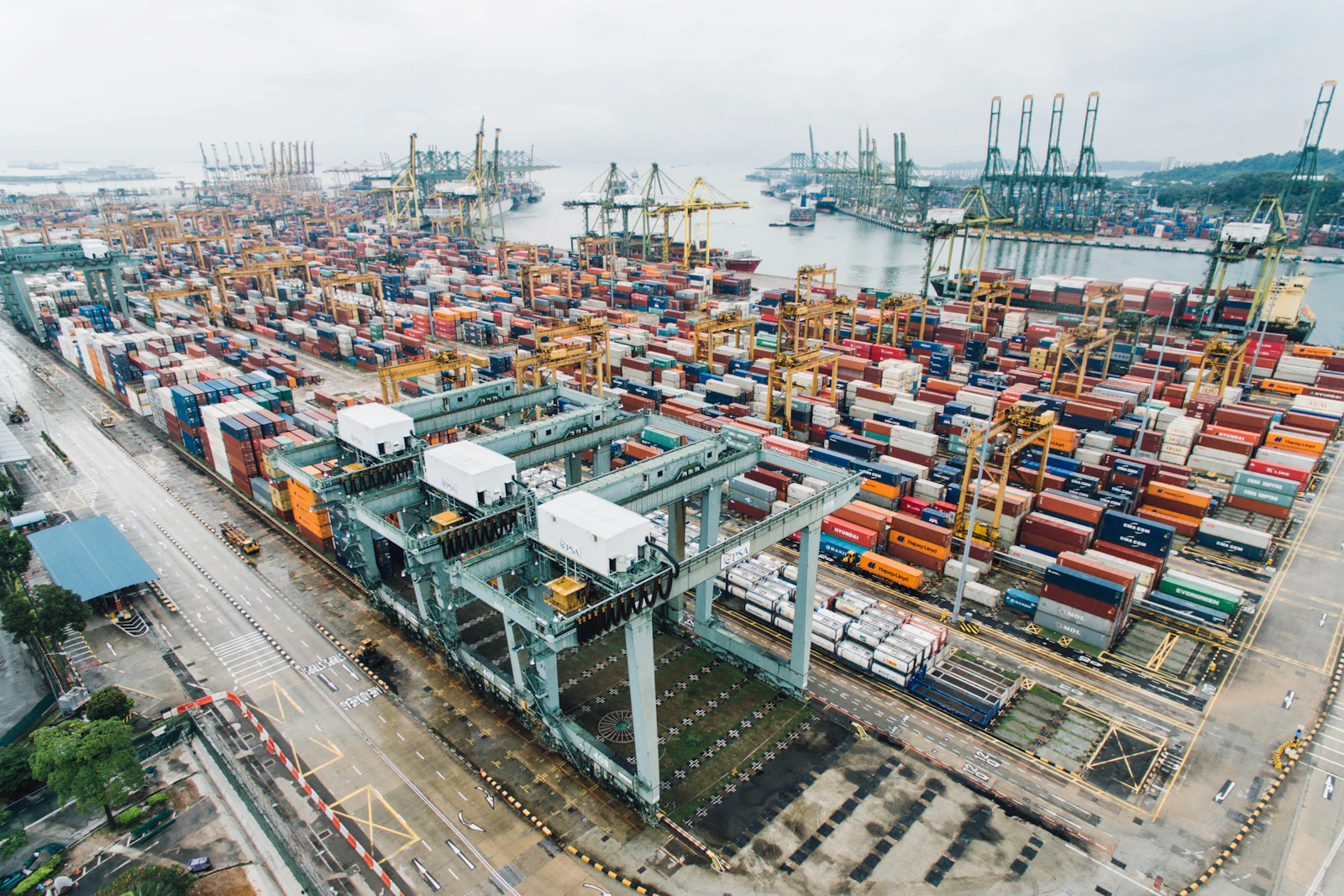
Jeddah's technology demand is driven by throughput rather than regulation. The Islamic Port handles a large share of the Kingdom's container traffic, and the city is the arrival point for pilgrimage traffic to Makkah and Madinah. Both create systems problems of the same shape: large, seasonal, peaked demand against fixed physical capacity.
Serving Jeddah from our Riyadh office and our engineering hubs in Lahore and Karachi

City context
What makes Jeddah different
We do not have an office in Jeddah
We serve organisations there from our Riyadh office and our engineering hubs in Lahore and Karachi, travelling for the parts of an engagement that need to happen in person.
Jeddah's technology demand is driven by throughput rather than regulation. The Islamic Port handles a large share of the Kingdom's container traffic, and the city is the arrival point for pilgrimage traffic to Makkah and Madinah. Both create systems problems of the same shape: large, seasonal, peaked demand against fixed physical capacity.
That makes the buyer profile distinctly commercial. Hospitality groups, retail chains, restaurant and delivery operators, private healthcare, freight forwarders and family-owned trading businesses — organisations where a technology decision is judged on revenue, cost per transaction and customer experience, not on an assessment outcome.
The seasonality is the part outsiders underestimate. A booking platform, a restaurant ordering system or a logistics dispatch tool in Jeddah has to hold up during Hajj and Umrah peaks that can be several times baseline volume. Systems sized for the average fail publicly at exactly the moment they matter most.
Economic anchors
What a local buyer would recognise
- Jeddah Islamic Port
- King Abdulaziz International Airport
- The Corniche hospitality strip
- Historic Jeddah (Al-Balad)
- King Abdullah Economic City to the north
The problems
What organisations in Jeddah run into
These are patterns we see here specifically, not a general list of transformation challenges.
- 01
Peak-season load is the real design constraint
Hajj and Umrah seasons compress a year's variance into a few weeks. Capacity planning against annual averages produces systems that queue, time out or drop transactions at peak. The correct approach is to design against the peak profile and let the platform scale down, not the reverse.
- 02
Point solutions accumulate into an unmanageable estate
A typical Jeddah hospitality or retail group runs a property or point-of-sale system, a separate booking or ordering channel, a loyalty tool and a delivery aggregator integration — none of which share a customer record. The reporting problem that follows is a data architecture problem, not a dashboard problem.
- 03
Payment and guest data carry obligations owners rarely price in
Hospitality and retail systems in Jeddah hold card data and personal data at volume. Card handling brings PCI DSS scope; personal data brings PDPL duties. Both are cheaper to design for than to remediate after an incident or a complaint.
The buyer
Who we work with in Jeddah
Owners and general managers of hospitality and retail groups, operations directors at logistics and freight businesses, hospital administrators in private healthcare, and family-business principals who make the technology decision themselves.
Dominant sectors
Services
What we do in Jeddah
Only the services with genuine commercial relevance to this city are listed — not everything we offer.
Regulatory context
What applies to organisations in Jeddah
Regulatory frameworks apply at Saudi Arabia level rather than city level. The full explanation, with links to primary sources, is on the market page.
Regulators and frameworks in Saudi ArabiaFrameworks in play
- NCA ECC
The Essential Cybersecurity Controls — the national minimum baseline for government entities and for private operators of critical national infrastructure. The 2024 revision expanded both scope and control depth.
- NCA CCC
Cloud Cybersecurity Controls — the requirements applied to cloud service providers and to the entities consuming their services.
- Aramco SACS-002 / CCC
Saudi Aramco's third-party cybersecurity standard. Vendors are classified into CCC or the on-site CCC+ tier, with audits carried out by firms Aramco authorises.
- PDPL
The Personal Data Protection Law, enforced by SDAIA. Sets lawful basis, transfer, retention and breach-notification duties for anyone processing personal data in the Kingdom.
- SAMA Cyber Security Framework
The mandatory framework for SAMA-regulated entities, organised across governance, risk, operations, third-party security, resilience and compliance.
Common questions
Working with us in Jeddah
Does Techbanq have an office in Jeddah?+
No. Techbanq serves organisations in Jeddah from our Riyadh office and our engineering hubs. We travel to Jeddah for discovery, workshops and go-live support, and we say so plainly rather than implying a local presence we do not have.
Can you build systems that handle Hajj and Umrah peaks?+
Yes, and it changes the architecture. We size against the peak profile, use elastic infrastructure so cost falls outside the season, load-test against modelled peak volumes before the season rather than during it, and design graceful degradation so the system sheds non-critical work instead of failing entirely.
Do you work with restaurant and hospitality groups?+
Yes. Common work includes ordering and booking platforms, integration between point-of-sale, delivery aggregators and loyalty, guest and customer data consolidation, and Arabic-first customer applications.
Elsewhere in Saudi Arabia
Discuss your work in Jeddah
A short conversation is usually enough to establish whether this is work we can help with in Jeddah. One hour, no cost, no commitment.
What happens next
- 1We reply within one business day.
- 2A 30-minute scoping call with a senior consultant.
- 3A written proposal with scope, team, and timeline.
Or reach us directly