
Saudi Arabia
Dammam
Eastern Province capital and the Kingdom's Gulf-side port and logistics hub.
Dammam is the administrative and commercial centre of the Eastern Province, sitting alongside King Abdulaziz Port and the industrial corridor that runs up the coast. Its technology demand comes from the movement of physical goods and from the contractor economy that supports the region's energy and industrial operators.
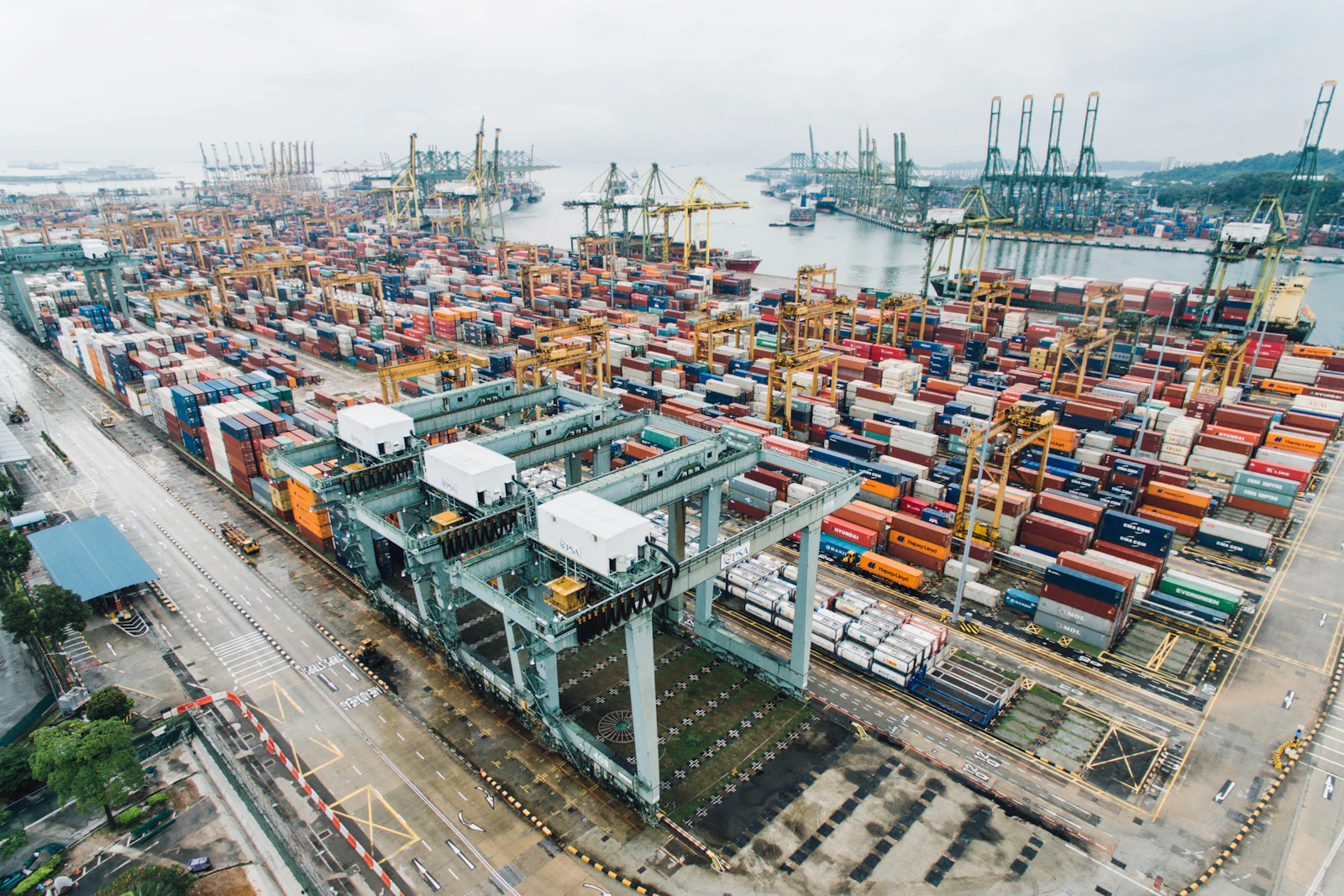
Serving Dammam from our Riyadh office and our engineering hubs in Lahore and Karachi

City context
What makes Dammam different
We do not have an office in Dammam
We serve organisations there from our Riyadh office and our engineering hubs in Lahore and Karachi, travelling for the parts of an engagement that need to happen in person.
Dammam is the administrative and commercial centre of the Eastern Province, sitting alongside King Abdulaziz Port and the industrial corridor that runs up the coast. Its technology demand comes from the movement of physical goods and from the contractor economy that supports the region's energy and industrial operators.
The distinguishing characteristic is the mix of information technology and operating technology in the same organisation. A Dammam logistics or industrial services firm runs an office IT estate and a yard, terminal or plant estate — and the second one is where availability, safety and cybersecurity risk actually concentrate.
It is also the base for a large population of Aramco suppliers and subcontractors. For them, cybersecurity is a commercial gate rather than a technical preference: the third-party standard determines whether they can keep transacting.
Economic anchors
What a local buyer would recognise
- King Abdulaziz Port
- Dammam First Industrial City
- King Fahd International Airport
- The Dammam–Riyadh rail freight corridor
The problems
What organisations in Dammam run into
These are patterns we see here specifically, not a general list of transformation challenges.
- 01
The yard and the office are one network but two risk profiles
Terminal handling equipment, weighbridges, gate systems and CCTV frequently share infrastructure with corporate IT. A control that is routine in the office — forced patching, agent deployment, credential rotation — can stop an operation. Segmentation and a separate operating model for the industrial side is the fix, and it has to be designed rather than assumed.
- 02
Supplier cybersecurity requirements arrive with commercial deadlines
A supplier is typically told what standard applies and by when, with continued trading contingent on it. The work is rarely just technical: classification, scoping the in-scope environment, evidence collection and remediation all have to fit inside a commercial window.
- 03
Operational data exists but is not usable
Gate movements, equipment status, driver and shift records are captured in separate systems and reconciled by hand. The result is that operational decisions are made on yesterday's spreadsheet. Consolidating the operating record is usually a higher-return project than any new front-end.
The buyer
Who we work with in Dammam
Operations and terminal directors at logistics and port-services businesses, IT managers at industrial services contractors, and owner-managers of Aramco-registered suppliers dealing with third-party cybersecurity requirements.
Dominant sectors
Services
What we do in Dammam
Only the services with genuine commercial relevance to this city are listed — not everything we offer.
Regulatory context
What applies to organisations in Dammam
Regulatory frameworks apply at Saudi Arabia level rather than city level. The full explanation, with links to primary sources, is on the market page.
Regulators and frameworks in Saudi ArabiaFrameworks in play
- NCA ECC
The Essential Cybersecurity Controls — the national minimum baseline for government entities and for private operators of critical national infrastructure. The 2024 revision expanded both scope and control depth.
- NCA CCC
Cloud Cybersecurity Controls — the requirements applied to cloud service providers and to the entities consuming their services.
- Aramco SACS-002 / CCC
Saudi Aramco's third-party cybersecurity standard. Vendors are classified into CCC or the on-site CCC+ tier, with audits carried out by firms Aramco authorises.
- PDPL
The Personal Data Protection Law, enforced by SDAIA. Sets lawful basis, transfer, retention and breach-notification duties for anyone processing personal data in the Kingdom.
- SAMA Cyber Security Framework
The mandatory framework for SAMA-regulated entities, organised across governance, risk, operations, third-party security, resilience and compliance.
Common questions
Working with us in Dammam
Do you support Aramco supplier cybersecurity requirements?+
We provide readiness support: interpreting which tier applies to a supplier's classification, gap assessment against the published standard, remediation of the technical findings, and assembling the evidence an authorised auditor will ask for. Techbanq is not an Aramco-authorised audit firm and does not issue the certificate — that audit is carried out by firms Aramco itself authorises.
Can you assess an operating technology environment without stopping production?+
Yes. Assessment of industrial environments starts passively — network observation, configuration and documentation review, interviews — and only moves to active testing on agreed systems, in agreed windows, with an agreed rollback. Anything that could affect a live process is scheduled with the operations team, not decided by the testers.
Is Techbanq present in Dammam?+
We serve Eastern Province clients from Riyadh, with on-site attendance for assessments, workshops and implementation milestones. We do not operate a Dammam office.
Elsewhere in Saudi Arabia
Discuss your work in Dammam
A short conversation is usually enough to establish whether this is work we can help with in Dammam. One hour, no cost, no commitment.
What happens next
- 1We reply within one business day.
- 2A 30-minute scoping call with a senior consultant.
- 3A written proposal with scope, team, and timeline.
Or reach us directly