
Smart Infrastructure / Practice deep-dive
Smart ports and airports
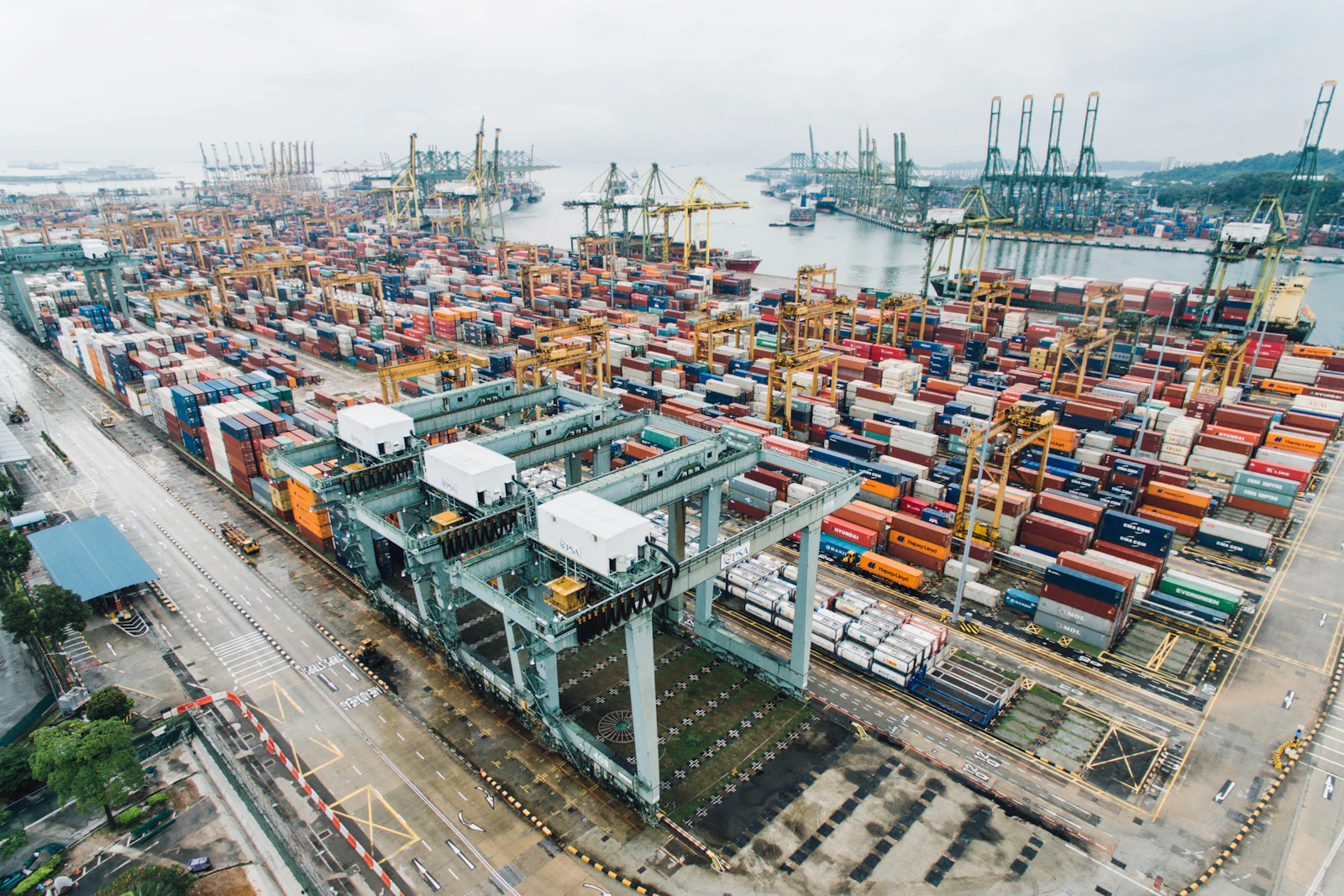
Berth, yard, and gate planned against the next vessel, not the last.
Operational intelligence for port and airport operators — arrival prediction, equipment positioning, and flow optimisation tied to the operating plan.
In short
Berth, yard, and gate planned against the next vessel, not the last.
Port and airport operations live on the gap between the plan and the actual. We instrument that gap — vessel and aircraft arrival prediction, equipment telematics, gate and berth analytics — and feed it back into the planning system. The dispatcher sees what is going to happen, not what just did.
A port or an airport plans against the last vessel or the last aircraft, not the next one, because the information about what is arriving lags the operation that has to receive it. The berth gets allocated when the ship is alongside; the gate gets assigned when the aircraft is on approach; the equipment gets positioned reactively. Each of those late decisions cascades — a missed berth window, a congested apron, a yard move that blocks the next one — and the cost compounds across the day.
We move the planning horizon forward by predicting arrivals before they happen. Arrival-prediction models integrated with AIS for vessels and ADS-B for aircraft, wired into the operating system, give the duty manager a forward view: which assets are inbound, when they will realistically arrive given current conditions, and what that means for berth, yard, gate, and apron allocation. The plan is made against the next arrival, with time to act on it.
On the ground, equipment telematics and positioning intelligence across the yard or the apron turn a fleet of cranes, tractors, and ground-support equipment from a black box into a managed resource. Gate and berth flow analytics give the duty manager the live picture, and the executive review gets an operations KPI pack that reflects throughput and turnaround rather than anecdote. For the Kingdom's and the UAE's logistics ambitions, the difference is measured in berth productivity and aircraft turnaround.
What you walk away with
The pieces we actually ship
Arrival prediction model integrated with AIS, ADS-B, and the operating system
Equipment telematics and positioning intelligence across the yard or apron
Gate and berth flow analytics for the duty manager
Operations KPI pack for the executive review
How we work
From kickoff to handover
Arrival prediction
We build arrival-prediction models from AIS and ADS-B, integrated with the operating system, so allocation is planned against the next arrival.
Equipment intelligence
We instrument the yard or apron with telematics and positioning, turning the equipment fleet into a managed, visible resource.
Flow analytics
We build gate and berth flow analytics for the duty manager, so congestion is anticipated and worked rather than discovered.
Executive KPI pack
We deliver the operations KPI pack for the executive review, grounding the conversation in throughput and turnaround, not anecdote.
Recent client work
Where this has gone in production

Case study
Regional Smart Port Intelligence
Deploying integrated smart operations intelligence across a major regional seaport — reducing container dwell time by 55% and adding $67M in annual operational efficiency.
Read the storyCase study
Delta Container Terminal Yard Intelligence
A deepwater container terminal moves from manual yard planning to AI-assisted stack and crane scheduling — adding effective capacity without pouring concrete.
Read the storyCommon questions
What buyers ask about this
Under the same roof
Other pieces of smart infrastructure
Smart Infrastructure
Smart cities and giga-projects
The operating system for the city that does not exist yet.
Read moreSmart Infrastructure
Utility network intelligence
Find the leak, the loss, and the asset that is about to fail.
Read moreSmart Infrastructure
Sustainability and resource intelligence
Energy, water, and carbon reporting the auditor will sign.
Read moreYour next milestone starts here
A short conversation about the smart ports and airports decision in front of you. One hour, no cost, no commitment.
What happens next
- 1We reply within one business day.
- 2A 30-minute scoping call with a senior consultant.
- 3A written proposal with scope, team, and timeline.
Or reach us directly