
Product engineering / Practice deep-dive
Product discovery and strategy
A working prototype, not a slide deck.
Two-to-six-week intakes that produce a tested hypothesis, a working prototype, and the engineering plan to build it.
In short
A working prototype, not a slide deck.
Most product strategy work delivers a slide deck. Ours delivers something the sponsor can put in front of a user the same week. Research, problem framing, prototyping, and a build plan — sequenced into a sprint the team can actually run.
A slide deck describing a product proves nothing except that someone can describe a product. It cannot be tested with a real user, it hides the hard questions behind tidy bullet points, and it lets a team spend a year building something that nobody validated because validating a deck is not possible. The expensive failures in product start here — in the gap between a plausible-sounding idea and any evidence that the thing should actually be built.
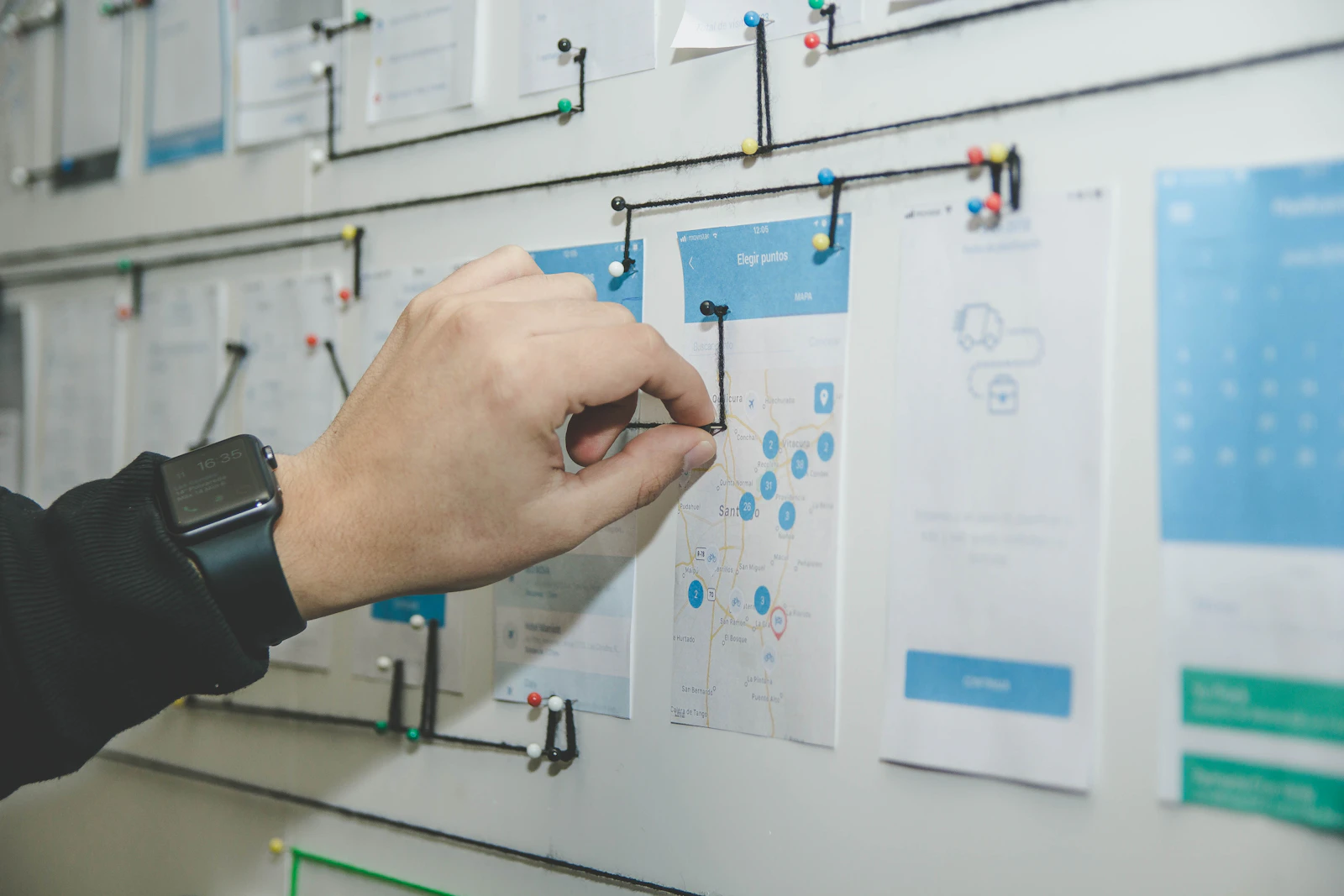
We close that gap with a working prototype, not a deck. The work starts with problem framing and user-research synthesis, because building the wrong thing well is the most expensive outcome in product, and the only protection against it is understanding the problem before designing the solution. The prototype itself is built in the design tool and validated with target users, so the idea meets reality while it is still cheap to change.
The output is a decision-ready basis to build or not. An engineering plan with sprint sequencing and team shape establishes what delivery would actually take, and a business case and adoption hypothesis make explicit what has to be true for the product to succeed and how the team will know. This turns product discovery from a planning ritual into a genuine de-risking step: the team commits to the build with evidence the product is wanted, not with hope.
What you walk away with
The pieces we actually ship
Problem framing and user research synthesis
Working prototype in the design tool, validated with target users
Engineering plan with sprint sequencing and team shape
Business case and adoption hypothesis
How we work
From kickoff to handover
Problem framing and research
We frame the problem and synthesise user research, because building the wrong thing well is the most expensive outcome in product.
Validated prototype
We build a working prototype in the design tool and validate it with target users, so the idea meets reality while it is still cheap to change.
Engineering plan
We define the sprint sequencing and team shape, so the cost and shape of delivery are known before the build is committed.
Business case and hypothesis
We make explicit what has to be true for the product to succeed and how the team will know, so the build is a decision, not a hope.
Common questions
What buyers ask about this
Under the same roof
Other pieces of product engineering
Product engineering
Design systems and UI engineering
Component libraries that the next team reuses, not redoes.
Read moreProduct engineering
Frontend and mobile engineering
Production frontends with measurable performance budgets.
Read moreProduct engineering
Backend and API engineering
Services the front end will not outgrow.
Read moreYour next milestone starts here
A short conversation about the product discovery and strategy decision in front of you. One hour, no cost, no commitment.
What happens next
- 1We reply within one business day.
- 2A 30-minute scoping call with a senior consultant.
- 3A written proposal with scope, team, and timeline.
Or reach us directly