
AI · logistics
A route is only as smart as the data underneath it
Routing, arrival estimates and warehouse optimisation are where AI moves cost in a logistics operation, but each runs on the exhaust of the operation itself — the telematics, the scans, the historic timings. So the first work is making that data trustworthy, not choosing an algorithm, because a model fed on gaps and guesses produces a route that looks optimised and a promise the operation cannot keep.
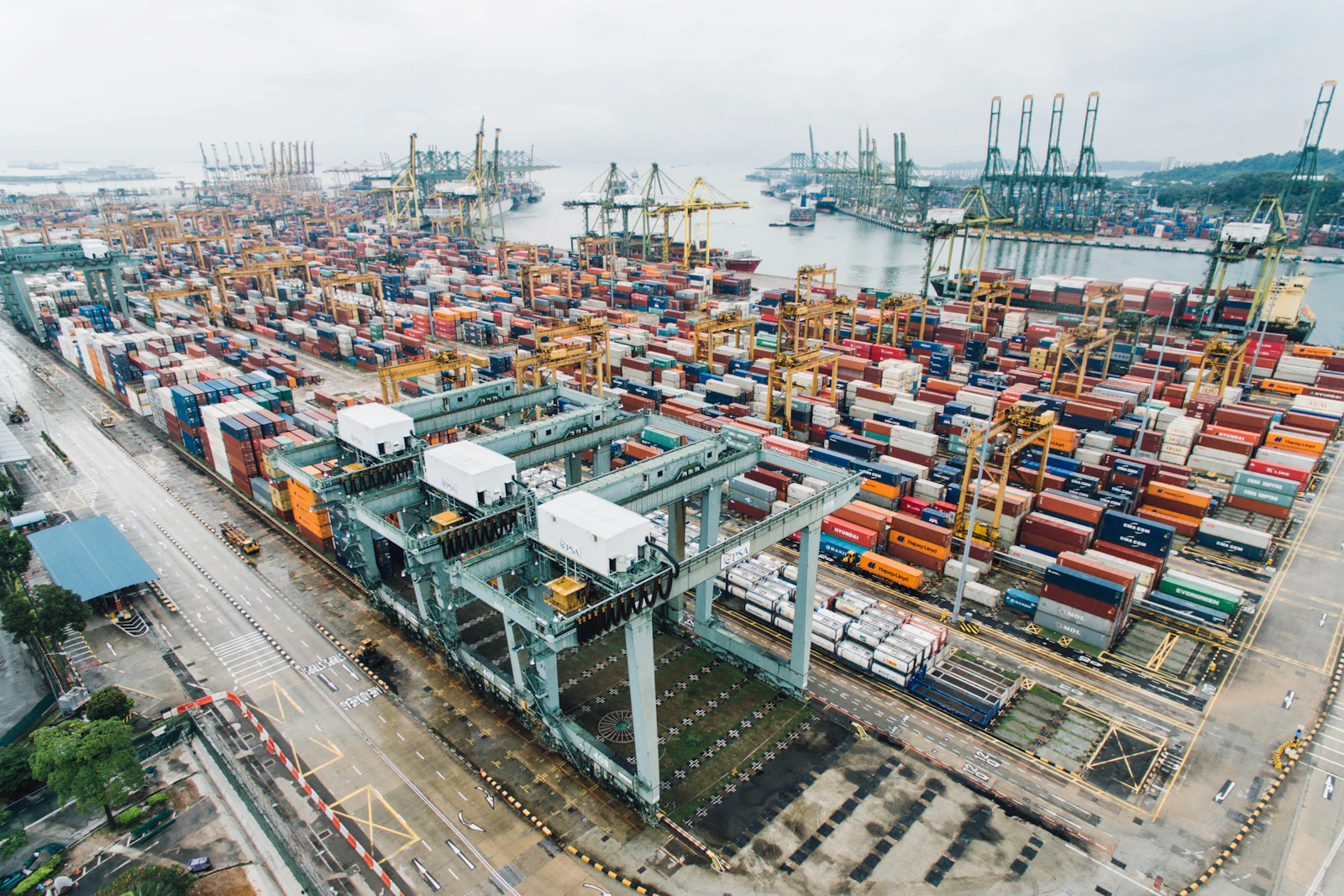
Serving Saudi Arabia from our Riyadh office and our engineering hubs in Lahore and Karachi

From ping to promise
The path from a raw GPS ping to a delivery time you can keep
A delivery promise a customer trusts is the end of a chain that starts with messy operational data. Each stage adds something the last could not give, and the replan branch is what keeps the promise honest when reality moves.
01
Collect the operational exhaust
The telematics pings, the scan events and the historic timings the operation already produces are gathered as the raw material, gaps and all.
- Telematics
- Scans
02
Learn the real timings
The model learns how long a leg actually takes on this road, at this hour, with this vehicle — replacing a distance-over-speed assumption with lived history.
- Timing model
- History
03
Plan the route
Stops are sequenced against those learned timings and the operation's real constraints — windows, capacities, driver hours — not a clean-map ideal.
- Routing
- Constraints
04
Commit an arrival time
The ETA given to a customer comes from the same learned timings, so it is a figure the operation can actually hit rather than an optimistic default.
- ETA
- Customer
Replan when reality diverges
A delay, a breakdown or a missed window triggers a replan against the current position, and the customer's ETA is updated rather than left wrong. A routing system with no replan is a plan that was accurate only at the moment it was printed.
The algorithm is the short part; the timings it learns from your own operation are what decide whether the route and the promise hold.
The optimistic ETA
The arrival time that was wrong the moment it was given
Most arrival estimates are a division: distance left, divided by an assumed speed. It is a number that ignores the hour, the road, the loading time at the stop and the vehicle, and it is confidently wrong in a way customers feel every day. The fix is not a cleverer formula; it is to learn from what actually happened. Your operation has already driven those roads thousands of times and recorded how long each leg really took, and a model built on that history predicts an arrival the operation can hit instead of one that looks good on dispatch and slips by noon.
This is why we start with the data rather than the algorithm. The routing and ETA techniques are well understood; what varies is whether the operation's telematics and scans are complete and consistent enough to learn from. A fleet whose position updates are sparse, whose scans are skipped under pressure, whose timings are recorded inconsistently, will not support a trustworthy model until that is fixed — and pretending otherwise produces a system that is precise and wrong. Assessing and cleaning that data is the first phase of the work, and sometimes the finding is that the quickest win is upstream, in the capture, before any model is built at all.
The method
How we turn operational exhaust into a routing model
The order is deliberate: the data comes before the model, and the monitoring comes before we walk away. Skipping the first step is the most common reason a logistics AI project produces a confident, useless route.
Assess whether the data can carry a model
We look at the telematics, scans and timings you already hold and judge honestly whether they are complete and consistent enough to learn from, or whether the first fix is upstream in the capture. A clear read on what the data supports and what it does not.
Clean and join it into a usable history
We resolve the gaps, align the scans to the movements and build a consistent record of how long things actually take, which is the real foundation the model rests on. A trustworthy history of real timings and movements.
Model the timings and plan against them
We build the timing and routing models on that history and against your real constraints — windows, capacities, driver hours — so a route is feasible, not just short on a map. Routes and ETAs the operation can actually meet.
Deploy with monitoring and replanning
We put the model into dispatch with the ability to replan when reality diverges, and we watch its predictions against actual arrivals so it stays accurate as conditions change. A live system that corrects itself instead of drifting.
Our role
What we build and what stays with your operations desk
- 01
Data before algorithm
We assess and clean your operational data before building anything, because a model on incomplete telematics produces a route that is precise and wrong, and we would rather fix the input than dress up the output.
- 02
Learned from your own roads
We build timings and routes from the history of how your fleet actually moves, not a generic map speed, so the ETA is one the operation can keep rather than an optimistic default.
- 03
A system that corrects itself
We build in replanning and monitoring so the model updates when reality moves and your team can see when it is slipping, rather than a plan that was only true at dispatch.
The dispatch decisions, the service promises and the trade-offs between cost and speed stay with your operations desk; we build the timings, routes and estimates that inform them from your own data, and keep them honest with replanning when the day does not go to plan.
Common questions
What buyers ask
Our operational data is messy. Can we still get useful routing out of it?+
Usually yes, but the messiness is the first thing we deal with rather than something to model around. Almost every operation's data has gaps — sparse position updates, scans skipped under pressure, timings recorded inconsistently — and the honest first step is to assess whether what you have can carry a model or whether the quickest win is fixing the capture upstream. We clean and join the data into a consistent history of real timings before building anything on it. What we will not do is put a model on top of unreliable data and present the precise-looking route it produces as trustworthy, because that is how a logistics AI project earns distrust it cannot recover from.
How is a learned ETA better than the one our system gives now?+
Most systems estimate arrival by dividing the remaining distance by an assumed speed, which ignores the hour, the specific road, the loading time at each stop and the vehicle, and is confidently wrong in ways your customers notice. A learned ETA is built from your own record of how long each leg actually took under those conditions, so it predicts an arrival the operation can hit rather than an optimistic default that slips through the day. It also updates: when a delay or breakdown moves reality away from the plan, the model replans and the customer's time is corrected rather than left wrong. The gain is not a cleverer formula but a prediction grounded in what your fleet actually does.
Does the model decide the routes, or do our dispatchers?+
Your dispatchers decide; the model gives them better information to decide with. It proposes routes and arrival times built from your real timings and constraints, but the operations desk knows things the data does not — a driver's familiarity with an area, a customer's unwritten preference, a road closed this morning — and keeps the final call. The model also replans and flags when reality diverges from the plan, so the desk is steering with a live picture rather than a static schedule. A system that overrode experienced dispatchers would lose their trust and, with it, any benefit, so we build the model to inform the operation, not to take it over.
In this cluster
Next step
Start with your data
A data-first read on one problem — routing, ETAs or warehouse flow — that assesses whether your operational data can support it and names what has to be cleaned before a model is built.