
Islamabad
Data and analytics services in Islamabad
Data and analytics work means building one reliable version of the operating record, so that reporting, forecasting and any downstream AI are all working from the same numbers.
The complaint is almost always the same: two reports disagree, and the meeting spends its time deciding which number to believe rather than deciding what to do. That is not a dashboard problem. It happens because the same concept — a customer, an order, a site, a shift — is defined differently in each source system, and nobody has ever reconciled the definitions.
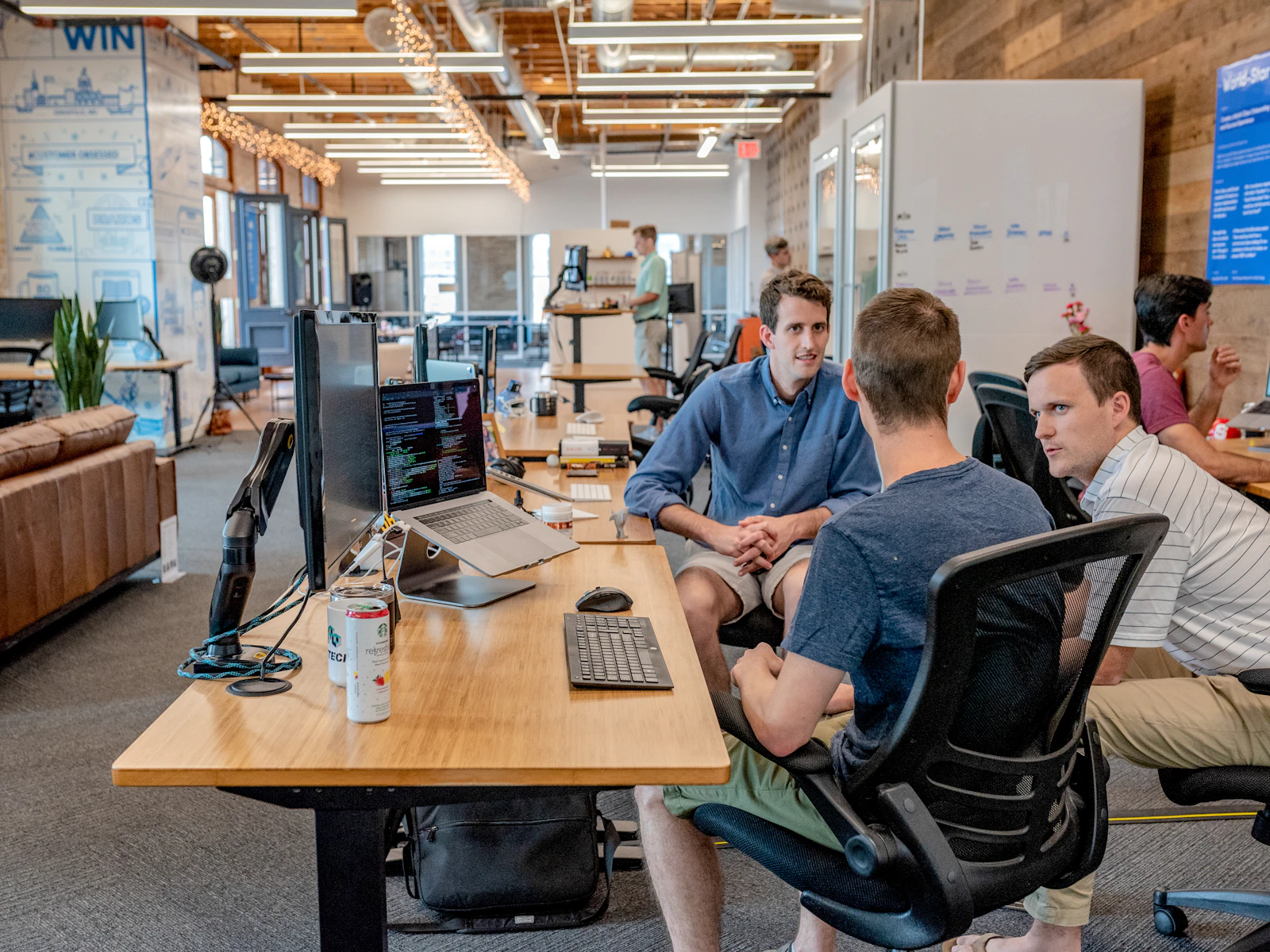
Serving Islamabad from our Lahore headquarters and our Karachi hub

The problem
What is usually behind this search
We do not have an office in Islamabad
We serve organisations there from our Lahore headquarters and our Karachi hub, travelling for the parts of an engagement that need to happen in person.
The complaint is almost always the same: two reports disagree, and the meeting spends its time deciding which number to believe rather than deciding what to do. That is not a dashboard problem. It happens because the same concept — a customer, an order, a site, a shift — is defined differently in each source system, and nobody has ever reconciled the definitions.
Buying a visualisation tool on top of that produces prettier disagreement. The work that fixes it is unglamorous: agreeing definitions, building a pipeline that applies them consistently, and making the resulting record the one everyone uses. Once that exists, reporting and AI both become straightforward.
Capabilities
What we actually deliver
Data platform engineering
Ingestion, transformation and storage designed for the queries the business actually asks, with lineage from every figure back to its source.
Definition and model alignment
Getting agreement on what a customer, an order or a unit of production means across systems — the step that makes everything after it work.
Operational reporting
Reporting that reaches the people making the decision, at the point they make it, rather than a monthly pack nobody opens.
Forecasting and prediction
Demand, maintenance and risk models built on the operating history, with honest reporting of how accurate they are in practice.
Data quality and governance
Automated checks at ingestion, ownership for each domain, and a record of what was changed, when and by whom.
Industrial and operational data
Bringing plant historians, sensor streams and maintenance records into the same analytical surface as commercial data.
Local context
Why this is different in Islamabad
Islamabad is where federal government, the regulators and the head offices of the telecom operators sit. The technology buyer here is institutional rather than commercial, and the procurement process reflects that: formal, documented and slower than the private sector.
The city also has a growing technology services sector, concentrated around the twin-city area it shares with Rawalpindi. Much of it serves export clients, and a meaningful part serves government contracts.
Work here tends to carry public-sector characteristics regardless of who the client is: an emphasis on documentation, auditability and procurement compliance that a commercial buyer in Karachi would consider excessive and a government buyer considers minimal.
What buyers in Islamabad run into
- 01
Procurement structure shapes the solution
Fixed-scope, fixed-price public procurement rewards precise specification and punishes discovery. Where the requirement is genuinely uncertain, the honest approach is a separate, smaller discovery contract before the build — not an optimistic fixed price that gets renegotiated later.
- 02
Systems outlive the teams that commissioned them
Public-sector systems frequently remain in service long after the original programme team has dispersed. Without documentation written for a successor rather than for a milestone, the organisation ends up unable to change its own system.
- 03
Integration between entities is a governance problem
Cross-entity data sharing stalls on ownership and agreement rather than on technical capability. The useful first deliverable is often a data sharing agreement and an interface contract, not a piece of software.
How an engagement runs
The stages, and what happens in each
Define
Agree the questions the platform has to answer and the definitions behind them.
Profile
Examine the source data as it really is, not as the documentation describes it.
Build
Pipelines and models, delivered domain by domain so value arrives before the platform is complete.
Validate
Reconcile against the systems of record until the numbers agree and the differences are explained.
Adopt
Move reporting onto the new record and retire the parallel spreadsheets, which is the step most programmes skip.
Regulatory frame
What governs this work
References for buyers. Techbanq does not issue certifications, approvals or compliance determinations — those rest with the authority and its assessors.
The full frame in Pakistan- PECA
The Prevention of Electronic Crimes Act, Pakistan's principal cybercrime legislation, including data retention duties placed on service providers.
- SBP technology and security requirements
The technology governance, security and outsourcing requirements applying to banks and payment system operators.
Technologies
What we work with
Cost
What moves the price
We do not publish fixed prices, because any figure quoted before the scope is known is a guess. These are the variables that actually determine it.
Number of source systems
Each source adds connection, mapping, reconciliation and ongoing maintenance work.
Source data quality
Where the same entity is recorded differently across systems, resolving it is the largest single item of work.
Latency requirement
Daily batch is straightforward. Near-real-time streaming is a different architecture with a different operating cost.
History depth
Loading years of history, particularly where the source schema changed over time, adds meaningful effort.
Common questions
What buyers usually ask
Why do our two reports disagree?+
Almost always because they define something differently — a different date basis, a different treatment of cancellations, a different set of entities included. The fix is agreeing the definition once and applying it in one place, rather than reconciling the two reports each month.
Do we need a data platform before we can do anything with AI?+
Not a complete one, but you need the specific data the AI use case depends on to be reliable and accessible. Building an entire platform before any use case is a common way to spend a large budget with nothing to show at the end of year one. Build the domain the use case needs, prove it, then extend.
Other services in Islamabad
Related
Data and analytics services in other cities
Discuss data and analytics in Islamabad
Send us the scope as you understand it today, even if it is incomplete, and we will tell you what we need to know before giving an estimate.
What happens next
- 1We reply within one business day.
- 2A 30-minute scoping call with a senior consultant.
- 3A written proposal with scope, team, and timeline.
Or reach us directly